How Many Mini-Split Zones Do I Need for My Home in Houston, TX?

Choosing the right number of mini split zones can make the difference between rooms that feel perfect and rooms that never quite catch up. In Houston’s long, humid cooling season, a smart zoning plan saves energy and boosts comfort. If you want help tailoring a design to your floor plan and routines, explore our mitsubishi mini-split systems and see what fits your home best.
What Is a Mini-Split Zone?
A zone is a space you can control on its own. It might be a single room, a suite of small bedrooms, or a large open living area. Each zone has its own indoor unit and thermostat so you can fine-tune temperature where you actually spend time. The goal is simple: put cooling and heating only where you need it.
Mini Split Zones in Houston, TX: How To Plan the Right Count
There is no one-size-fits-all answer. The right number of zones comes from how your home is built and how you use it. Start with these guiding ideas:
- Match zones to spaces with different temperatures or schedules, like hot upstairs bedrooms or a daytime home office.
- Group small, adjacent rooms with similar use into one zone to reduce the number of indoor units.
- Give large, open areas their own zone so airflow and humidity control stay steady.
- Consider Houston sun and humidity. South- and west-facing spaces often need their own control to stay comfortable on steamy afternoons.
Always match zones to how you live, not just square footage. Two homes with the same size can need different zone counts if families use rooms differently.
Single-Zone vs. Multi-Zone: Pros and Tradeoffs
Both options can work in our climate. Here is a simple way to think about them:
- Single-zone systems shine for one problem room, a garage conversion, or a new addition. You get focused comfort and simple controls.
- Multi-zone systems serve several areas from one outdoor unit. They clean up the exterior and can simplify electrical and placement.
In some houses, mixing the two is the sweet spot. For example, keep your main living space on a multi-zone system and use a single-zone unit for a workshop or a guest suite that runs on a different schedule. Avoid oversizing a multi-zone outdoor unit “just in case.” Right-sizing leads to better moisture control in Houston’s humidity.
Room-by-Room Examples Around Houston
Every neighborhood has its quirks. These quick scenarios show how zone counts often shake out:
Two-story townhome in Midtown or EaDo: One zone for the open main floor, one for the top-floor primary suite, and one for the sunniest secondary bedroom. Three zones keep upstairs areas from overheating in late afternoon.
Montrose bungalow: One zone for the living room and kitchen, one for the primary bedroom, and one shared zone for two small bedrooms or an office. Three zones balance comfort without cluttering the walls.
Family home in Katy or Sugar Land: One large zone for the open living/kitchen, one for the upstairs bedrooms, and one for a bonus room over the garage. Add a fourth for a home office if it runs at a different schedule.
Garage conversion in Spring Branch: A single-zone unit handles the converted space without touching the rest of the home’s system.
When Fewer Zones Work Better
Fewer zones can be smarter when rooms share walls, exposure, and schedules. Combining two small kids’ bedrooms into one zone often makes sense. The same goes for a pair of home offices side by side. With one indoor unit serving both, you reduce equipment on the walls and simplify maintenance.
Fewer zones also help if you prefer set‑and‑forget comfort across most of the house. One indoor unit with the right capacity can keep a suite of small rooms steady without a lot of fiddling.
When More Zones Make Sense
More zones help when rooms heat up or cool down at different rates. Think west-facing upstairs bedrooms, a media room with extra electronics, or a glassy sunroom in The Heights. If you keep very different schedules between spaces, separate zones give you control to dial back empty rooms and focus comfort where you are.
Homes with mixed uses also benefit from more zones. A workshop or garage gym might run cool during the day while bedrooms rest low and quiet. In that case, splitting zones keeps everyone happy without overcooling the rest of the house.
Indoor Unit Styles That Fit Your Plan
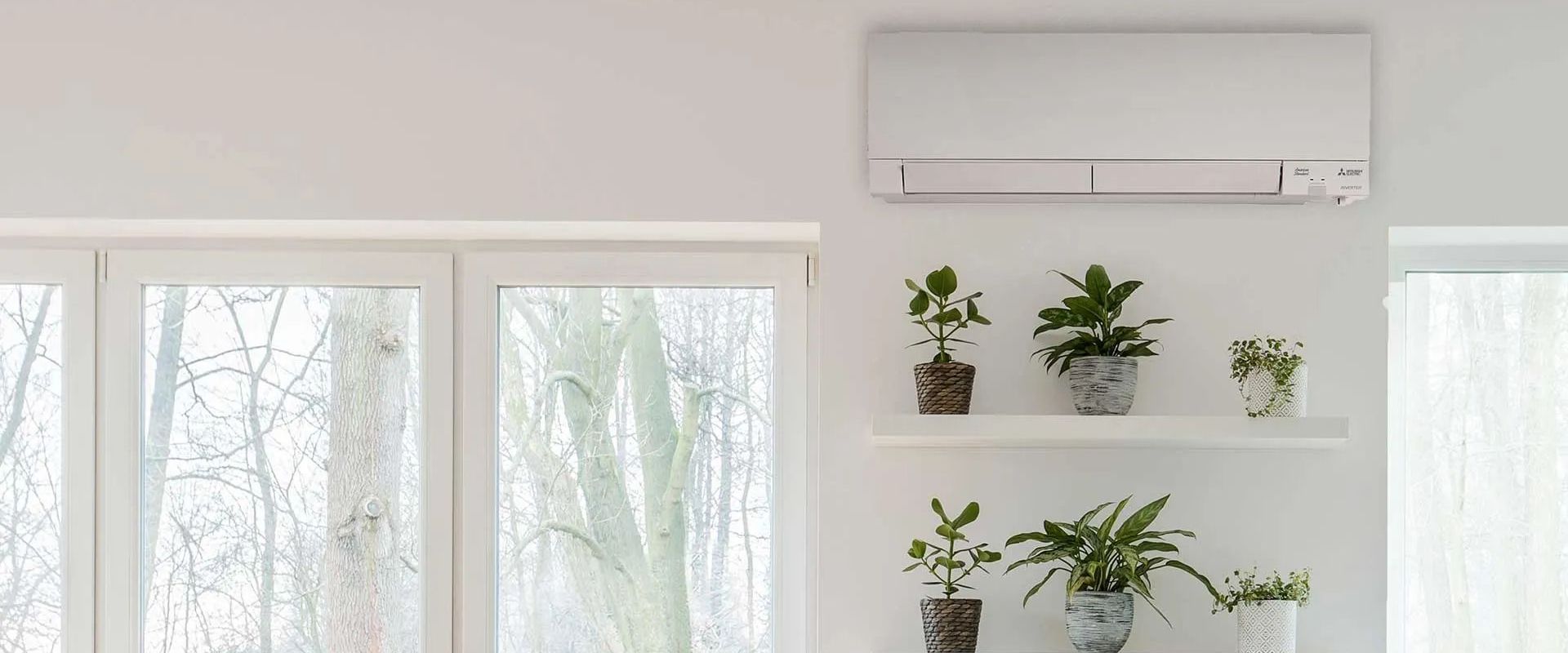
Once you sketch your zones, pick indoor units that disappear into the space. Wall-mounted units are flexible and quick to place. Ceiling cassettes tuck away above the ceiling for a clean look. For a fully hidden feel, a small concealed air handler can feed short duct runs to neighboring rooms. If you like that approach, explore our ducted mini-splits to see how one indoor unit can serve a compact zone behind the scenes.
Each style has strengths. Wall mounts are simple and efficient. Cassettes free up wall space. Ducted mini-splits offer a low-profile finish while keeping zoning tight.
Design Factors That Change Your Zone Count
Here are the homeowner questions we use to dial in the right number:
- Which rooms feel hot or humid late in the day, especially on the second floor?
- Do you work from home or use a studio on a different schedule than the rest of the house?
- Are there rooms you barely use on weekdays that could run at a higher setpoint?
- How much wall or ceiling real estate can you spare for indoor units?
- Where can the outdoor unit sit with clear airflow and away from standing water?
As we answer these, we also think about noise, filter access, and line-set routes. Good design keeps lines short, airflow smooth, and maintenance easy. That is how you get crisp, even comfort through August without constant tinkering.
Comparing Ductless and Central For Houston Homes
Many homeowners pair ductless with an existing central system. Central can still be great when ducts are tight and balanced, while ductless solves stubborn hot spots or additions without tearing up finishes. For a deeper dive on how these play together in our climate, read our local guide on ductless vs central ac in Houston, TX.
Simple Roadmap To Get It Right
Start by marking rooms that feel off by two degrees or more, especially late afternoon. Note which spaces you occupy most during the week. Then sketch a first pass at zones based on use, sun, and floor level. A short visit from a pro will confirm the load, check insulation and windows, and make sure the system has the turndown and airflow to hold setpoints in high humidity.
If you want a quick primer before talking to a designer, review our overview of mitsubishi mini-split systems. To see how zoning ties into your whole plan, visit our home page through this guide on mini split zones in Houston, TX and explore options that match your layout and style.
Realistic Zone Counts You Can Expect
These ranges are common in the Houston area, but your final design will reflect your home’s layout and materials:
- 1 zone: a garage conversion, studio, or backyard office.
- 2 to 3 zones: most bungalows and townhomes with a hot upper floor.
- 3 to 4 zones: larger two-story homes with an open main floor and multiple bedrooms.
- 5+ zones: complex layouts, large homes with mixed uses, or when you want independent control in many rooms.
Remember, more zones are not always better. The best design uses the fewest zones that still give you comfort where and when you need it.
Ready To Design Your System? Talk With Our Team
You do not have to guess. DuctlessWayne will map your home, run the numbers, and recommend a zone plan that fits your routines and Houston’s climate. Call 832-470-4057 to schedule your visit, or browse our mitsubishi mini-split options to see what’s possible today.

Looking For Air Conditioning Options In Cleveland? Call Your Ductless Pro Elite Experts Today!

