Ductless vs Central AC in Houston, TX: Which Makes More Sense?

If you live in Houston, TX, you know summer sticks around. Heat, humidity, and long cooling seasons put real pressure on your air conditioning. Many homeowners are weighing ductless vs central AC to cut energy waste and boost comfort. This guide breaks down how each system performs in our climate, where neighborhoods from The Heights and Montrose to Memorial and Pearland face similar heat but very different home layouts. For a closer look at equipment options, see our ductless ac systems overview.
We will compare comfort, humidity control, noise, and how your home’s design shapes the right choice. For a deeper dive into room-by-room strategies, browse our practical ductless mini split tips. You can also learn more about ductless vs central ac in Houston, TX and how it ties into your whole-home comfort plan.
How Houston’s Climate Changes The AC Math
Our city sees a long cooling season with frequent 90-plus days and muggy air. That means your system has to cool and manage moisture for much of the year. High humidity matters because it makes rooms feel warmer even when the thermostat says you are fine, so systems that wring out moisture efficiently can feel better at higher setpoints.
Home styles around Houston vary. Older bungalows near Montrose or the Museum District may have limited attic space for ductwork. Townhomes in Midtown or EaDo often have three floors and hot top levels. Larger homes in Katy, Sugar Land, or Clear Lake may already have full duct systems. Your layout, existing ducts, and how rooms are used will influence which system makes more sense.
Ductless AC: What It Does Best In Houston
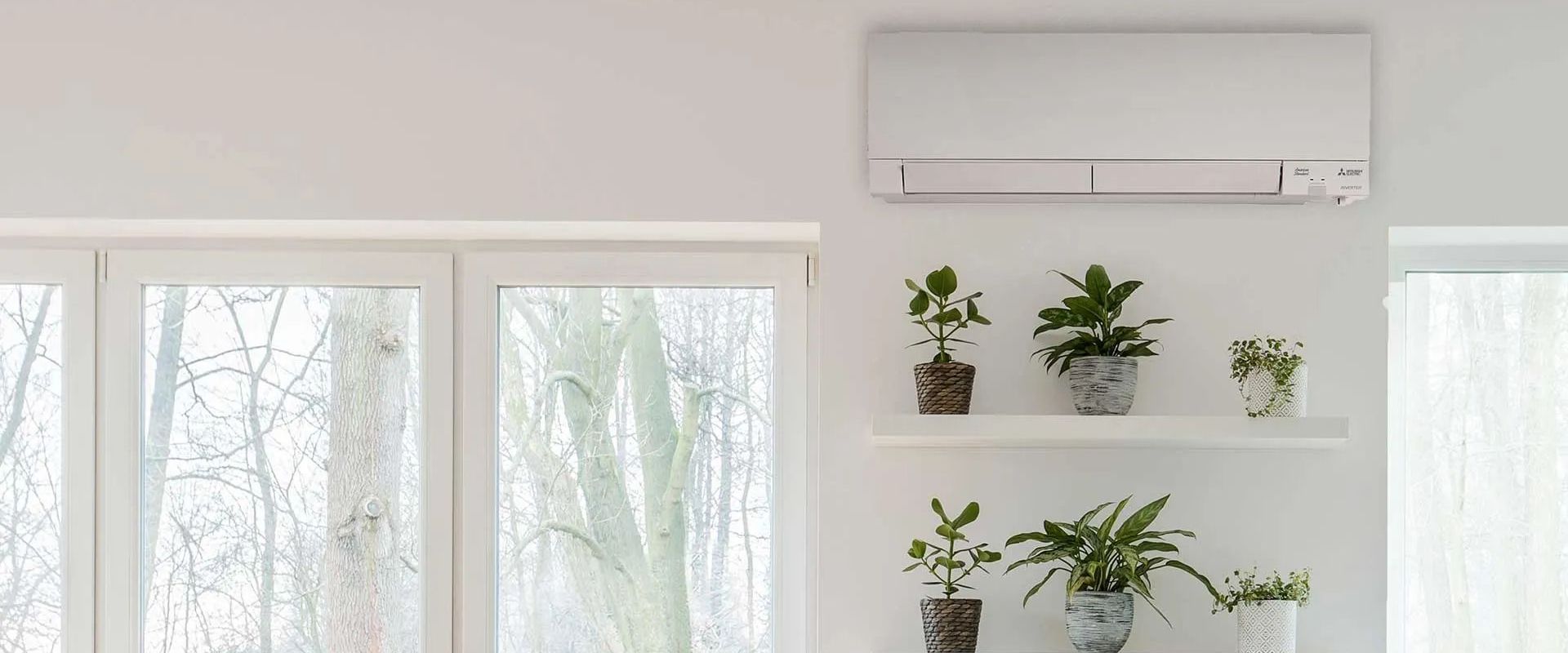
Ductless mini splits move cooled air without large ducts. They deliver cooling to one room or several zones with small refrigerant lines and compact indoor units. Because they avoid duct losses and allow room-by-room control, they often reduce wasted cooling in spaces you do not use much during the day.
- Zoned comfort for hot upstairs bedrooms, sunrooms, and bonus rooms
- Retrofits where ducts are tight, leaky, or simply not there
- Additions, garage conversions, or attic offices without tying into old ducts
- Quiet operation with indoor units whispering while outdoor units sit outside
Many Houston homeowners pair ductless with existing central air to tame stubborn hot spots. For example, a Spring Branch home might keep central air for the main floor and add a single ductless zone for an above-garage room. In bungalows without ducts, a multi‑zone system can serve key spaces without opening up walls. To explore sizing, indoor unit styles, and filter options, review our ductless ac equipment.
Central AC: When It Still Shines
Central AC remains a strong fit when you have well‑designed, sealed ducts. With a single thermostat and full‑home distribution, you get even cooling across many rooms at once. Modern variable‑speed systems can run longer at lower speeds to improve dehumidification and comfort while reducing temperature swings.
If your home in West University or Memorial already has a solid duct network and returns in the right places, central air may give you a clean look with few visible indoor components. It also allows for whole‑home filtration at the air handler. Keep in mind that poorly sealed or undersized ducts can undermine performance, so a professional evaluation matters before you invest in new equipment.
Side‑By‑Side: Ductless vs Central AC In Houston Homes
Comfort and moisture control are the make‑or‑break factors here. Ductless can target problem rooms with precise control and avoids duct losses in hot attics. Central air can be great across many rooms when ducts are tight and balanced. Think about what you need most, then match the system to your house.
Here is a quick comparison framed for our climate and housing stock:
- Moisture control: variable‑speed central systems handle whole‑home humidity well; ductless shines room by room
- Aesthetics: central uses hidden ductwork; ductless shows a slim indoor unit on wall, ceiling, or low‑wall
- Retrofit ease: ductless usually installs faster with minimal disruption; central needs suitable ducts
- Zoning: ductless offers natural multi‑zone control; central needs added zoning hardware to mimic it
- Energy: avoiding duct leaks helps ductless; sealed ducts keep central competitive
Noise, Air Quality, and Everyday Comfort Details
Ductless indoor units are very quiet, and outdoor units are engineered to run at low speeds most of the time. Central AC noise depends on the air handler and grill placement. If supply grills blast or return grills whistle, a duct tune‑up may help.
Air quality differs too. Ductless filters at each indoor unit capture dust close to the source. Central systems can use larger media filters near the air handler that cover your whole home. If you have pets or seasonal allergies in The Heights, a strong filter plan helps either way. Keep indoor air cleaner by replacing or washing filters on schedule and booking routine maintenance before peak season.
Comfort comes from more than just temperature. Good systems remove moisture so rooms feel crisp, not clammy, and maintain steady air movement without drafts. Whether you choose central or ductless, professional installation is essential to get refrigerant charge, airflow, and controls dialed in for Houston’s heat and humidity.
How To Choose The Right Fit For Your Home
Use this simple framework to narrow your choice. It avoids guesswork and focuses on the parts of your home that matter most for comfort and efficiency.
- Start with what you have. If your ducts are leaky, undersized, or missing, ductless can simplify the path to comfort.
- Map your hot spots. If one or two rooms misbehave, a single ductless zone can solve it without reworking the whole house.
- Consider how you live. Work from home in a front room most days? Cooling only the space you use can save energy.
- Think about finishes. If you want no visible indoor units, central may be the better aesthetic fit.
- Plan for storms and heat waves. Systems that dehumidify well keep you more comfortable at modest setpoints.
Above all, right‑size the system. Oversized units shut off too fast and leave sticky air behind. Undersized units grind without reaching the mark. A proper load calculation looks at windows, insulation, sun exposure, and air leakage. For background you can skim our tips page and talk through options that align with ductless vs central ac in Houston, TX so your choice matches your home and habits.
Real‑World Houston Scenarios
Montrose bungalow without ducts: A two‑to‑three zone ductless setup can cool the living room, primary bedroom, and a home office. You gain control where you need it and avoid tearing into walls for new ducts. It is also a handy solution when attic space is tight and summer heat makes that zone feel like an oven.
Katy two‑story with existing ducts: A variable‑speed central system with a proper duct check can smooth out upstairs heat and pull more moisture out on humid afternoons. Add returns where needed, seal obvious leaks, and you can enjoy even temps across large, open areas.
Spring Branch garage workshop: A single‑zone ductless unit tackles weekend projects without cooling the entire house. It is a focused way to stay comfortable while cutting energy waste in spaces you only use sometimes.
Maintenance And Lifespan Expectations In Houston
Humidity can feed algae growth in condensate lines. That is why regular maintenance matters for both systems. A seasonal check cleans drains, verifies airflow, inspects electrical connections, and confirms refrigerant levels. These basics preserve efficiency and help prevent mid‑summer breakdowns when you least expect them.
For ductless, plan to clean or replace unit filters often and keep indoor coils dust‑free. Outdoor units should have clear space around them for airflow. For central AC, replace media filters on schedule and consider a duct inspection if you notice dust streaks near grills or uneven airflow between rooms. Small issues add up over long seasons in Houston, so catching them early pays off in steadier comfort.
The Bottom Line For Houston, TX Homeowners
If your home has good ductwork and you want a clean, unified look, central AC can still be the best match. If you are battling hot rooms, adding space, or do not have ducts, ductless offers flexible zoning and quick retrofits that shine in our humidity. Many households end up with a smart mix, keeping central for most spaces and adding a ductless zone where comfort trails behind.
DuctlessWayne is here to help you design a system around your home, not the other way around. Talk with our team, get a load calculation, and compare options that fit your layout and lifestyle. When you are ready, explore equipment choices and indoor unit styles on our ductless ac equipment page, or call us at 832-470-4057 to schedule a visit.

Looking For Air Conditioning Options In Cleveland? Call Your Ductless Pro Elite Experts Today!

