Mini Split Sizing in Houston, TX: What Tonnage Means and Why It Matters

Shopping for a ductless mini split can feel confusing, especially when you start hearing about tons, BTUs, and capacity. This guide explains mini split sizing in Houston, TX in plain language so you can make a confident choice for your home. If you want to see equipment that fits our climate, explore our trusted Mitsubishi mini split systems and how they’re matched to the right load.
Houston’s heat, long cooling season, and heavy humidity raise the stakes. The right size keeps rooms cooler and drier with steady, quiet operation. The wrong size can run up bills and still leave you uncomfortable. Let’s break it down.
What “Tonnage” Means For A Mini-Split
You might hear a contractor say “one ton” or “two tons.” In air conditioning, tonnage is a measure of cooling capacity. One ton equals 12,000 BTUs of cooling per hour. So a 2-ton system can remove 24,000 BTUs of heat each hour. Tonnage is capacity, not weight, and it must match the heat your rooms gain from sun, people, appliances, and outdoor air.
Modern ductless systems use inverter-driven compressors. Instead of turning fully on and off, they ramp up and down to match the load. That gives you smoother temperatures and better humidity control when the system is sized correctly.
Why Right-Sizing Matters In Houston’s Heat And Humidity
Our climate pushes AC hard from April through October. Oversized systems hit the thermostat setpoint too fast and shut off before pulling enough moisture from the air. That leaves rooms cool but clammy. Undersized systems struggle during peak heat, running nonstop without fully catching up.
Houston homes also vary a lot. A shaded bungalow in The Heights is different from a sun-baked two-story in Katy or a townhome in Midtown. Matching tonnage to the real load is what keeps each space comfortable day and night.
Factors That Change Mini-Split Capacity In Houston Homes
Every home is unique, but these items often shift sizing up or down in our area:
- Insulation and air sealing. Leaky homes gain more heat. Tight homes hold cool air longer.
- Windows and sun exposure. Big west- or south-facing glass loads rooms with afternoon heat.
- Room size and ceiling height. Taller ceilings and open floor plans need more capacity.
- Indoor activities and appliances. Cooking, workouts, and electronics add heat.
- Placement of the indoor unit. Airflow patterns around furniture and hallways matter.
- Infiltration from garages and attics. Hot, humid air sneaking in raises the load.
Neighborhoods like Montrose or West University often have older envelopes with quirky duct runs or limited attic space. Many Meyerland and Bellaire homes have large panes of glass. In Clear Lake or Sugar Land, open layouts and big kitchens can bump capacity too. A careful load check catches these details before mis-sizing locks in problems.
Houston homes also vary a lot. A shaded bungalow in The Heights is different from a sun-baked two-story in Katy or a townhome in Midtown. Matching tonnage to the real load is what keeps each space comfortable day and night. In many cases, we also find that the south-facing side of the home takes on more heat than homeowners expect, creating persistent hot spots that need dedicated cooling support.
Why The South Side Of Your Home May Be The Hottest In Houston
Many homeowners assume the west side of the house is always the hottest because of the strong afternoon sun. In Houston, that is not always the full story. Because of the sun’s path and our location, the south-facing side of a home often receives sun for most of the day, allowing heat to build up for hours in walls, windows, and attic-adjacent spaces.
That long stretch of sun exposure can make south-facing rooms harder to cool, even when the main AC system seems to be running normally. In many homes across the Houston area, this creates a “hot side of the house” problem where one section stays warmer well into the evening while the rest of the home feels fine.
Ductless Wayne has helped resolve this issue for homeowners who were frustrated by uneven temperatures and rooms that never seemed to catch up. A properly designed ductless mini split can target that hot side directly, giving you better comfort without forcing your central AC to work harder than it should.
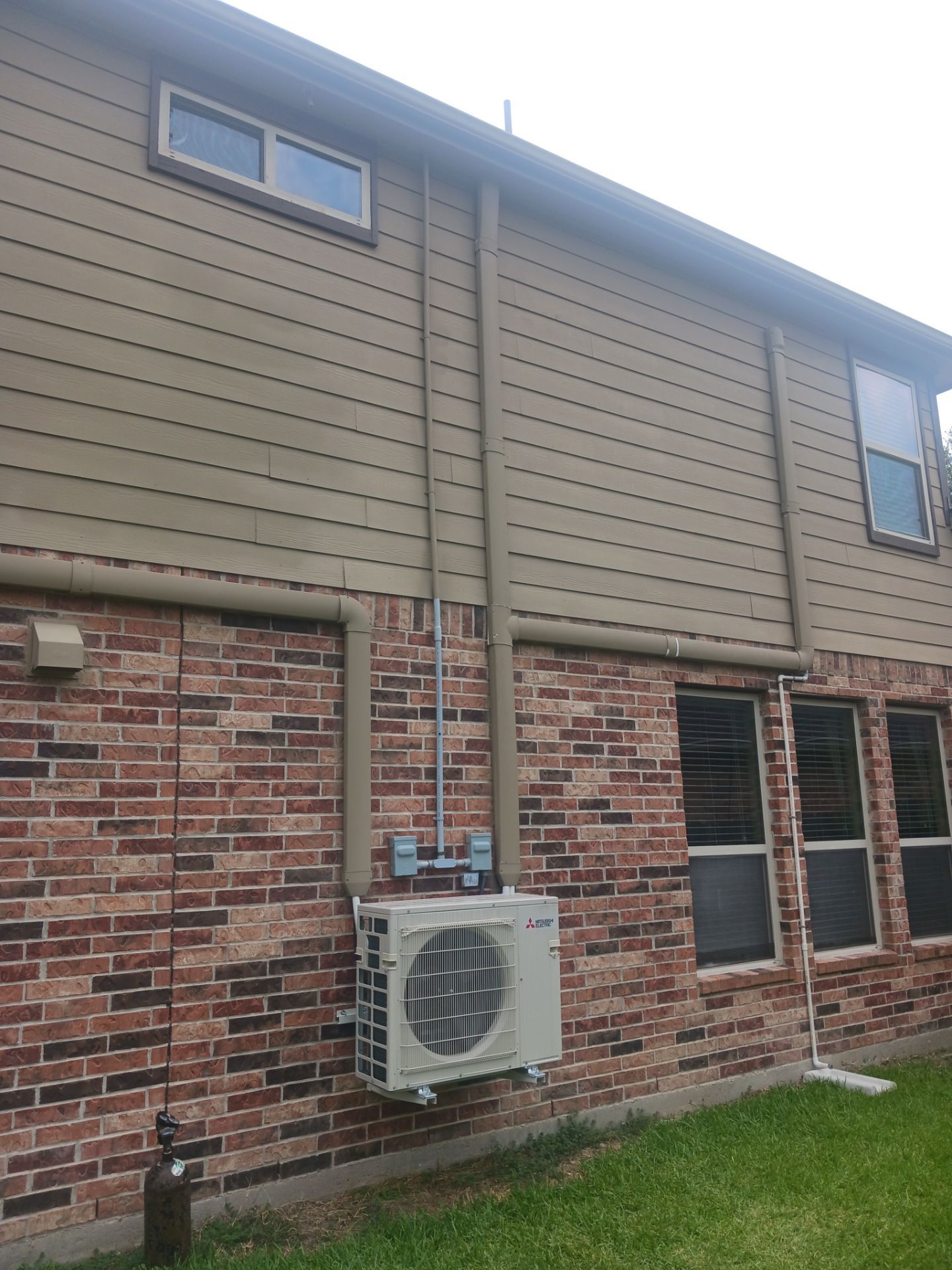

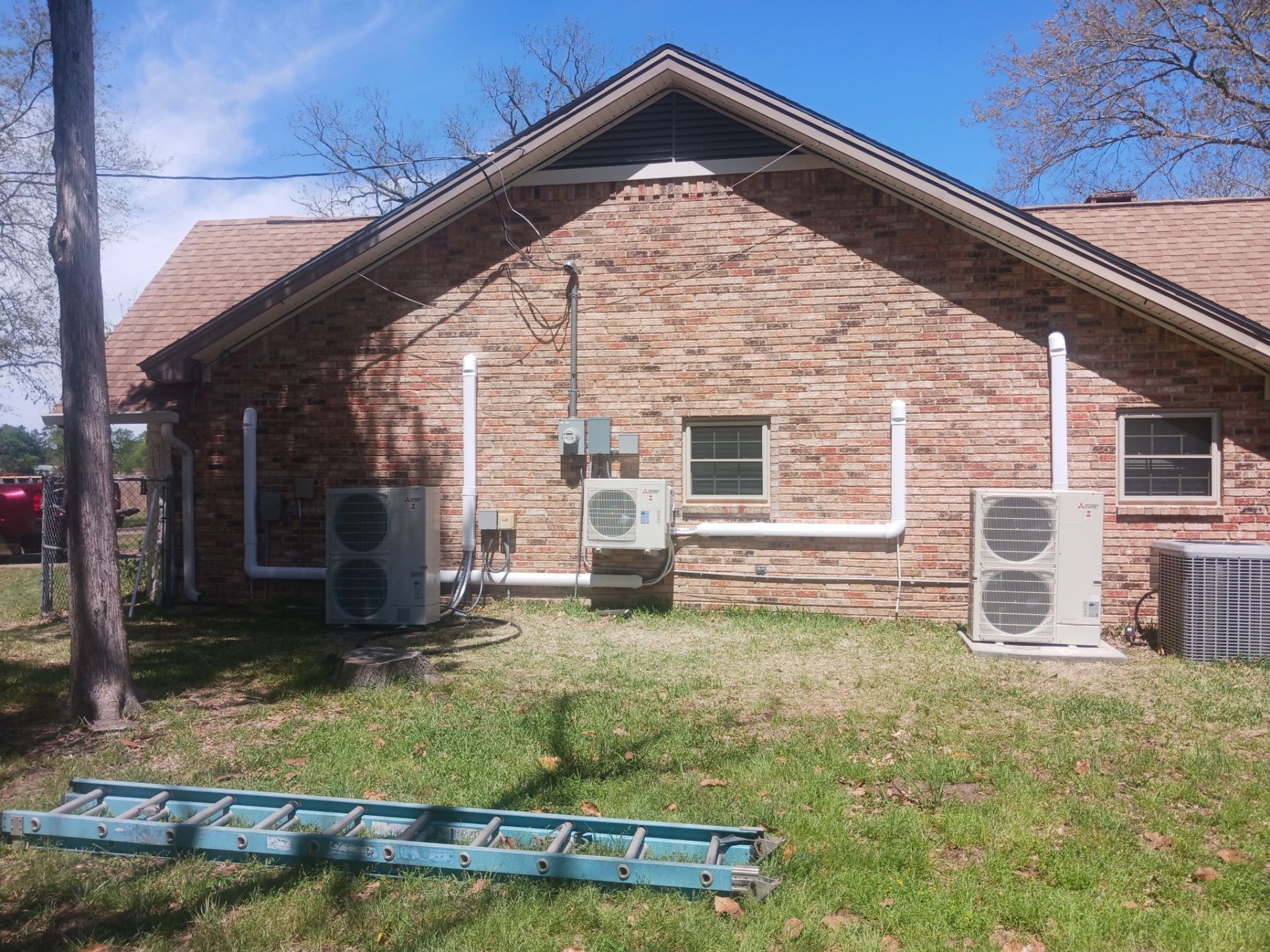
Many homeowners are surprised to learn that their “hot side” is not always where they expected. Whether it is a south-facing bedroom, an upstairs bonus room, or a living area with all-day sun exposure, a ductless mini split offers a focused solution for the spaces that need extra cooling the most.
Single-Zone vs. Multi-Zone Mini-Splits And Sizing
A single-zone mini split serves one space with one indoor unit and one outdoor unit. Sizing is straightforward because that system only cares about that room’s load. Multi-zone systems connect several indoor units to one outdoor unit. The outdoor unit has a total capacity, and each room unit has its own capacity.
With multi-zone systems, it’s important to match the outdoor unit’s total tonnage and the sum of indoor capacities to how people actually use the rooms. If upstairs bedrooms in Spring Branch are empty all day, you can assign less capacity there and more to the first-floor living areas where the family gathers. A pro will balance these details so no room starves for cooling when several zones call at once.
How The Right Size Improves Comfort And Bills
Right-sized inverter systems run longer at low speed, which quietly wrings out moisture. That helps rooms feel crisp at modest setpoints, even on muggy evenings after a Gulf storm. You also reduce the big temperature swings you get from short cycling.
Because the system isn’t slamming on and off, wear and tear drops. That supports steady efficiency across a long Houston summer and can help your system maintain performance over time.
How Pros Calculate The Correct Mini Split Size
Sizing by square footage alone is guesswork. Reputable pros run a load calculation that considers layout, insulation, windows, and air leakage. In practice, we measure rooms, note sun exposure, check existing ducts if any, and review how the family uses each space during the week and on weekends. Manual J load calculation is essential to get tonnage right and protect comfort in our climate.
After the math, equipment selection matters too. Not all “2-ton” systems behave the same at part load. We compare efficiency ratings and operating ranges, then match indoor unit style to the room. For instance, a wall-mounted mini split can be ideal for a home office in Midtown if airflow is clear across the desk area.
BTUs, Efficiency Ratings, And What They Mean
BTU per hour shows capacity, while efficiency ratings like SEER2 and HSPF2 show how much cooling or heating you get per unit of energy. Inverter systems shine here because they adjust output to the moment’s need instead of blasting at full speed. That smooth delivery pairs well with Houston’s long shoulder seasons where days start mild and end steamy.
It’s also smart to look at the low- and high-ambient performance ranges. That tells you how well the system holds capacity on extreme days. For our area, stable capacity during late-afternoon heat and good dehumidification during humid nights are more important than headline numbers alone.
The Hidden Costs Of Over- And Under-Sizing
Oversizing often leads to short run times. Short runs don’t pull enough moisture off indoor coils, leaving a sticky feel and encouraging musty odors. Units also cycle more, which can increase wear. Oversizing can leave rooms sticky even when the thermostat says the temperature is fine.
Undersizing isn’t better. A too-small outdoor unit may run at high speed for hours during a late August heat wave. That can mean noise, higher bills, and a space that never quite settles. The fix is designing for the real load, then selecting equipment that modulates comfortably around it.
Signs You May Have A Hot Side Of The House
- One side of the home stays warmer than the rest of the house
- South-facing rooms feel hot for most of the day
- Upstairs bedrooms remain uncomfortable even when the thermostat is satisfied
- Your central AC runs, but certain rooms never seem to cool down properly
- Rooms with heavy sun exposure stay hot into the evening
If this sounds familiar, the issue may not be your entire cooling system. It may be that one side of the home needs a more direct solution. That is where a properly sized ductless mini split can make a major difference.
Room-By-Room Examples Around Houston
Heights bungalow home office: Sun through south- or west-facing windows can create a sharp afternoon heat buildup. Proper sizing may call for an indoor unit with higher sensible capacity and placement that keeps the room evenly cooled during the hottest part of the day.
Katy game room over the garage: Hot roof deck, minimal insulation, and long hours of sun exposure can make one side of the room far harder to cool. A dedicated zone sized to that envelope keeps the space usable without overcooling the rest of the home.
Midtown townhome primary suite: Tall ceilings, stairwells, and strong sun exposure on one side of the house can create major temperature imbalance. An inverter system with a correctly sized indoor unit can even out temperatures and improve overnight comfort.
How Indoor Unit Style Affects Sizing And Feel
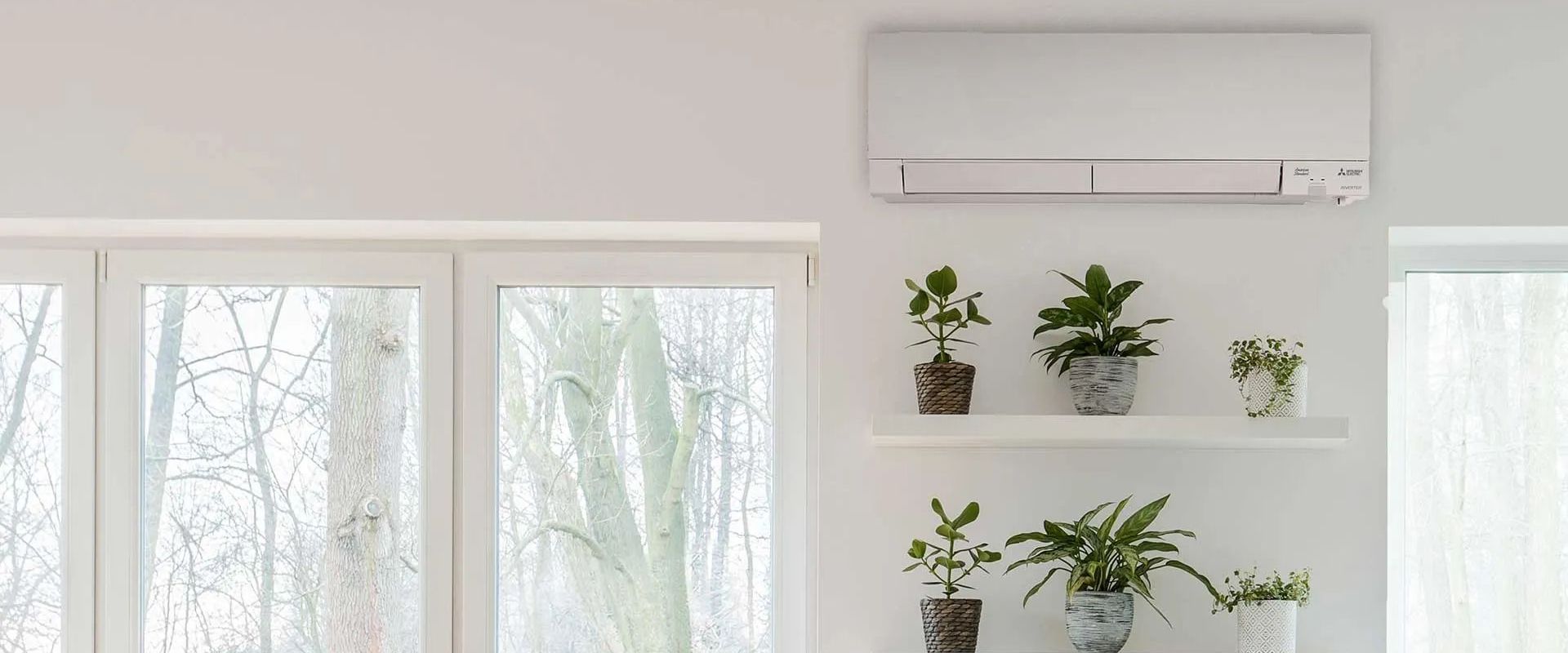
Wall mounts, floor mounts, and ceiling cassettes all distribute air differently. Wall mounts throw air across the room. Floor mounts help with cold spots near the floor during heat mode. Cassettes hide in the ceiling and can reach into alcoves with multi-direction vanes. Matching unit style to the room shape and furniture reduces drafty corners and hot pockets.
If you are comparing equipment, you can see how these styles differ on our Mitsubishi solutions page, where indoor units are paired with outdoor systems that modulate for better humidity control in Houston.
Signs Your Current System Is The Wrong Size
- Rooms feel cool but clammy at night, or dry and chilly in the morning.
- Frequent on-off cycling, or the outdoor unit roars at high speed for long periods.
- Big swings between upstairs and downstairs temperatures.
- Hot spots near large windows in the afternoon.
- Energy bills that spike during late summer even at modest setpoints.
If you notice one or more of these, a load evaluation can confirm whether right-sizing and better air distribution will help.
Planning Your Project In Houston, TX
Think about weekday routines and weekend patterns. Which rooms need steady comfort when the house is busiest? Are there spaces you rarely use during the day? This helps assign capacity where you feel it most. We will also look at sun exposure, insulation upgrades, and where to run linesets with minimal disruption to finishes.
For homeowners who want a deeper explainer, check out our mini split sizing in Houston, TX overview on our home base and compare it with the equipment options above. Then, when you are ready for a plan that matches your home, we will size, select, and install the right system for lasting comfort.
Your Next Step: Get A Professional Load Calculation
The safest path is simple: have a pro measure before anyone quotes tonnage. Choose a pro who measures, not guesses. With a proper load calculation, you get the quiet, even comfort that inverter systems are designed to deliver in our climate.
DuctlessWayne specializes in solving uneven cooling problems in Houston homes, including hot south-facing rooms and problem areas that stay warmer than the rest of the house. Call 832-470-4057 to schedule a visit. If you want a targeted solution for the hottest side of your home, we can size, select, and install a ductless system that fits your space.

Looking For Air Conditioning Options In Cleveland? Call Your Ductless Pro Elite Experts Today!

